







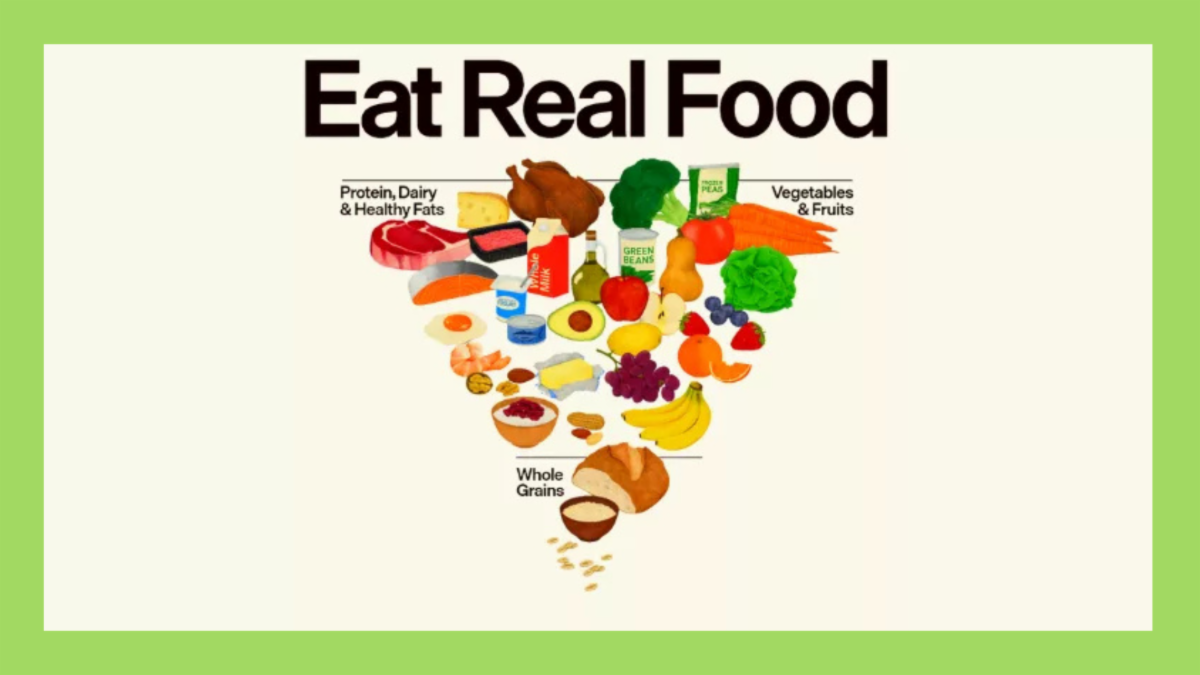
THE NEW FOOD PYRAMID:
THINK-BEFORE-YOU-EAT
Author: Lisa Andrews, MEd, RD, LD
Happy 2026! A new year often brings renewed goals around health, and this year the U.S. government has released the Dietary Guidelines for Americans, 2025–2030, reviving the food pyramid and replacing the MyPlate model that had guided eating patterns since 2011. The stated theme of the new guidance is to “eat real food” and minimize ultra-processed foods—an idea most health professionals can support.
The updated pyramid, however, looks very different from the classic 1992 version. It is inverted, with a top-heavy emphasis on protein, dairy, and fats, while grains and other carbohydrate foods make up a smaller base. Fruits and vegetables are still highlighted, which aligns with long-standing nutrition guidance. According to the government, this new framework aims to reduce diet-related chronic diseases such as obesity, heart disease, and diabetes.
At first glance, much of the guidance appears consistent with nutrition science: focus on whole foods, limit added sugars, and choose nutrient-dense options. But a closer look at how dairy, beef, and saturated fats are emphasized raises important questions about consistency with existing evidence.
Obesity, Diet, and Ultra-Processed Foods
Obesity remains one of the most significant public health challenges in the United States. Nearly 70% of Americans are overweight, and more than 40% are obese, according to the Centers for Disease Control and Prevention (CDC). High intakes of added sugars, refined carbohydrates, ultra-processed foods, and sedentary lifestyles all contribute to this trend.
The new guidelines correctly discourage ultra-processed foods and recommend daily targets for fruits, vegetables, and whole grains. Research consistently shows that diets high in ultra-processed foods are linked to increased risk of obesity, heart disease, metabolic syndrome, and certain cancers. On this point, the science is clear—and widely supported.
Where the Pyramid Falls Short
The most troubling aspect of the new pyramid is its visual and practical emphasis on saturated animal fats, including whole milk, red meat, and beef tallow. Decades of research link high intake of saturated fat—particularly from red and processed meats—to increased risk of cardiovascular disease, diabetes, and several cancers.
Whole milk and full-fat dairy do provide important nutrients such as calcium, vitamin D, and protein. However, they also contain more calories and saturated fat than lower-fat options. Emphasizing full-fat dairy in national guidance sends mixed messages, particularly for individuals focused on heart health, weight management, or metabolic disease prevention.
Similarly, increased emphasis on red meat conflicts with evidence showing higher intake is associated with greater risk of heart disease and multiple cancers. Encouraging these foods at the center of the pyramid undermines long-standing recommendations to limit saturated fat.
What Should Americans Eat?
There is broad agreement that Americans should eat fewer ultra-processed foods, including sugary beverages, convenience foods, and fast food. However, replacing processed foods with more saturated animal fats is not the solution.
A balanced, evidence-based approach includes:
- Eating more plants, including vegetables, fruits, beans, lentils, and whole grains
- Choosing lean protein sources such as fish, poultry, eggs, beans, and tofu
- Including dairy in moderation, favoring low-fat options when appropriate
- Using healthy fats like olive, canola, and avocado oil
- Limiting red meat, alcohol, and ultra-processed foods
Moderation, affordability, and consistency with science should remain central to nutrition guidance—no matter how the pyramid is drawn.
Source:https://www.foodandhealth.com/blog-free/the-new-food-pyramid-think-befor..., https://www.foodandhealth.com Image: www.realfood.gov